
Stella Nelson | Writer
December 5, 2025
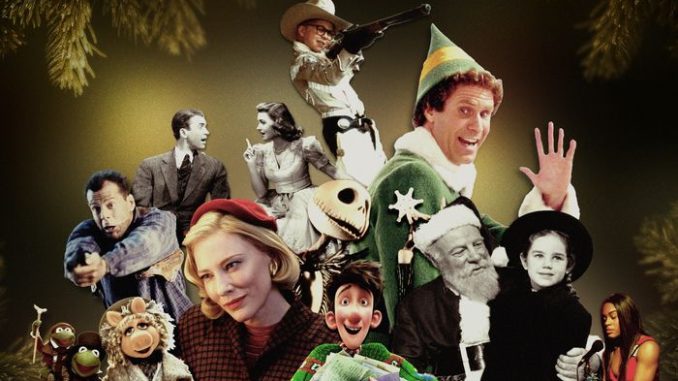
The most magical time of the year is upon us–Christmas lights are being hung up, trees decorated, and it’s finally time to re-watch our beloved Christmas movies.
Since the 1940’s and 50’s we’ve seen how culture and current events have shaped the media, particularly Christmas movies. Staples like Miracle on 34th Street (1947) and White Christmas (1954) reflect a period following World War II that sought to bring hope amid rebuilding and hardship, both in real life and in the movies. Christmas movies offered an escape from everyday life, promoting stability and resonating through magic and the holiday spirit.
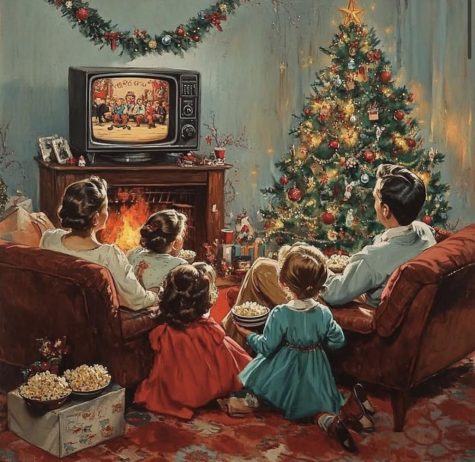
By the 1960’s, the age of suburbia and middle-class, we received the animated classics that would bring a new age for Christmas movies, including Rudolph the Red-Nosed Reindeer (1964) and a Charlie Brown Christmas (1965)–appealing to a younger audience during a peak era for cartoons. With the rise of new technology, including color TV and animation, which enamored society, these became instant fan favorites. Senior at SCHS Kai Wells noted, “Rudolph is my dad’s favorite movie, and it’s become a tradition to watch it every holiday season.”
Fast-forward to the age of Blockbuster and commercialism, the ’80s delivered horror, comedy, and action with over-the-top plots that stole the show. Some of the most celebrated Christmas movies like National Lampoon’s Christmas Vacation (1989) and Gremlins (1984) combined family chaos and special effects that helped to expand the Christmas sub-genre. Senior at SCHS, Charlotte Eltiste recalled “watching Gremlins when [she] was eight and being traumatized.” Breaking away from tradition and shattering the nuclear-family image in more racy movies was a major theme of the decade and thus carried over into holiday movies.
Following the theme of comedy and the success of ’80s holiday films, the ’90s leaned into family-centered movies that reworked fairy tales and fantasy during a period of comfort and economic boom. These ideas are reflected in The Santa Clause (1994) and Home Alone (1990), which have since been named cult-classics.
Now, looking forward, the turn of the century from the 2000s to the 2020s has introduced romance, nostalgia, and comedy from Elf (2003) to Hallmark’s endless release of heartfelt rom-coms, there is a bottomless supply of media to consume and celebrate for years to come.
What do you think the future will bring?
Leave a Reply