
Emma Llamas | Writer
December 5, 2025
America’s modern era of fashion really started developing its own distinct trends at the beginning of the 20th century. By the 1920s, every decade had started forming its own recognizable style. The fashion of the 1920s, for example, was shaped by major social and political changes: women entering the workforce during WWI, people pushing back against strict Victorian gender roles, and even the rise of jazz culture. All of this helped bring in shorter hemlines, bobbed hair, and more relaxed silhouettes. From then on, fashion basically became a mirror for whatever was happening in society—whether that meant progress, conflict, or stagnation. Each decade reflected its moment in history.
So what does that mean for the 2020s? This decade has already seen huge technological growth, a global pandemic, and major political tension. Naturally, these shifts reflect in the way people dress. When asked about this, Michael Havel, a senior at SCHS, said he finds it interesting “how much maximalism was emphasized in 2020, then only a few years later, the polar opposite occurred, and minimalism suddenly became fashionable.” He added, “I think we’ve lost a lot of the individuality found in everyday fashion.”
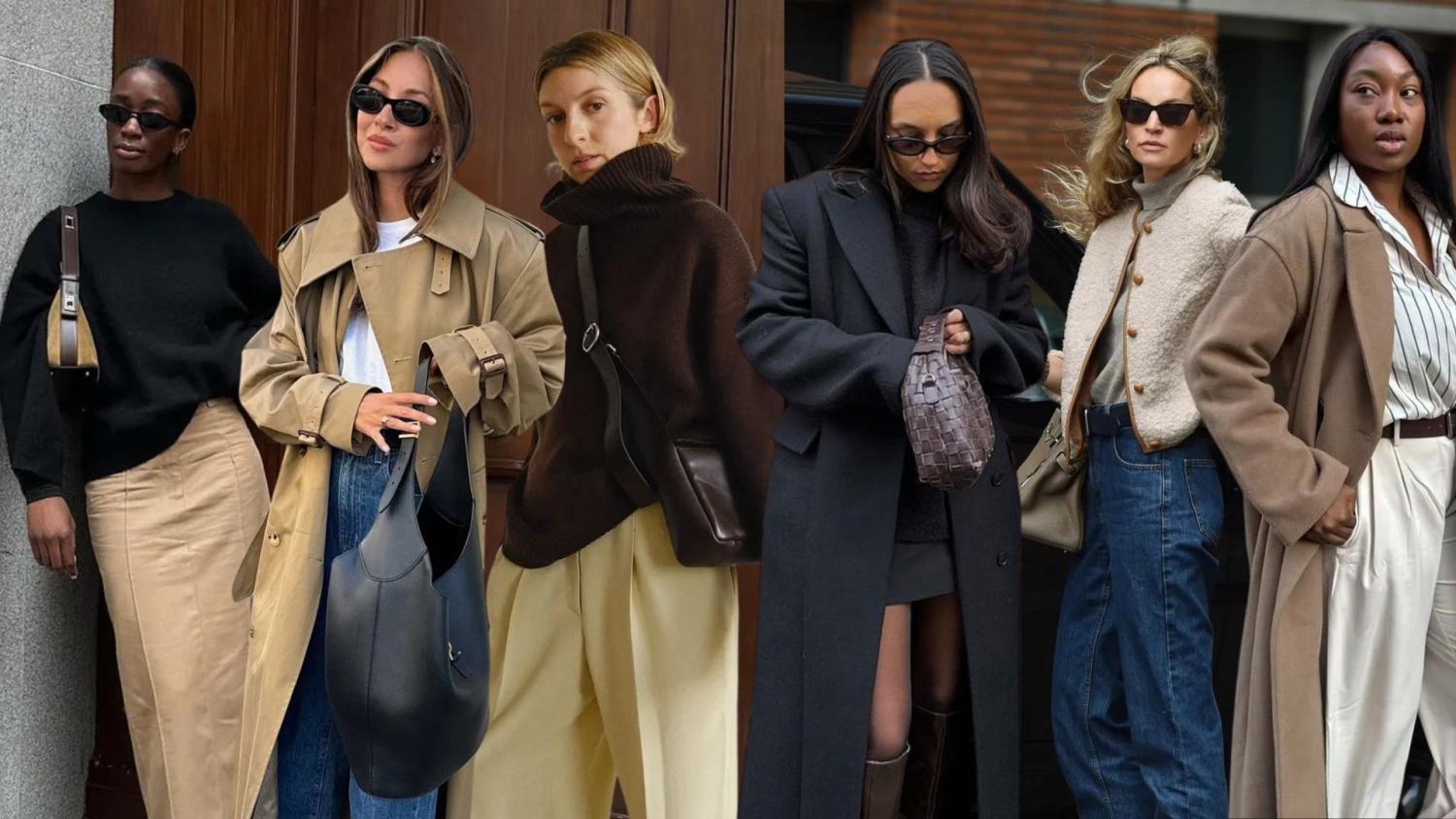
This kind of dramatic back-and-forth in fashion is tied to the cultural, political, and economic changes of the last five years. One example is the “clean girl” aesthetic. It can be seen as a reaction to the heavy makeup trends of the 2010s, but it also connects to the wellness culture people leaned into after the pandemic. At the same time, it shares a lot with the rise of conservatism and the “quiet luxury” look, promoting a kind of tidy, traditionally feminine, and non-threatening style.
Alongside all of this, the 2020s have also brought back a huge mix of trends from the 1960s through the early 2010s. But if they don’t reflect our current politics or social climate directly, why are so many people wearing them again?
It seems like the reason for all these revivals isn’t to recreate another decade’s political moment. Instead, they’re a reflection of our own. Nostalgia, individuality, escapism, and honestly just liking how the clothes look all play a role. With so much instability and uncertainty, people return to aesthetics from the past because they feel comforting or expressive.
Another big reason is social media. Instead of developing personal style through mainstream culture or subcultures, people get their fashion taste from trending videos, mood boards, and algorithm-driven cycles. So individuality now has to be curated—almost performed—so others know what aesthetic or subculture you fit into, or want to fit into. Even with all of this constant change, some main trends have defined the decade: wide-leg pants, animal prints, baggy silhouettes, and athleisure staples. Eli Perez, another SCHS senior, said the 2020s will mostly be remembered for “baggy clothes, flared jeans, leggings and UGGs.”
But the biggest pattern of the last five years has been the nonstop recycling of older styles. This is different from past fashion revivals—like the 1970s pulling from Renaissance fashion—because today’s revivals try to copy earlier eras almost exactly, and they happen fast, sometimes within a single year or season. Early-2000s styles like Y2K and McBling are perfect examples. Those aesthetics originally came from a time shaped heavily by 9/11, when American fashion leaned into consumerism and maximalism as a way of displaying American identity. Now, people are bringing those styles back not because our social conditions are the same, but because nostalgia has become a coping tool. Re-creating past styles helps people deal with the anxieties and instability of our decade while giving them something fun, familiar, and expressive.
In the end, the fashion of the 2020s reflects the era itself: fast-moving, unstable, nostalgic, and searching for individuality. In a world that feels uncertain, people look back to previous decades to find comfort and identity in styles that feel grounding.
Leave a Reply