
Emily Ota | Head Editor
December 17, 2025
The month of December is a stressful time for all students. Between finals and holiday shopping, there just seems to be too much to focus on in such a small amount of time. However, for a small number of students, that is just the beginning of the winter chaos. Winter student-athletes have to balance homework, finals, holiday events, and all that comes with their sports season in the short span of a few months.
Some examples of winter sports at SCHS are soccer, basketball, cheer, wrestling, and girl’s water polo. The student-athletes involved in these sports are arguably much more stressed compared to other students, given that their designated study days have turned into game days.
For example, girls soccer does not take their season lightly. Girls are on the field at 6:15 am every Monday morning to practice, get back together Monday night at 6:00 pm for team dinner, have games Tuesdays, Thursdays, and sometimes Saturdays, and practice during fifth period on Wednesdays and Fridays. On game days, players are expected to attend team lunch at school with their team and coaches to go over strategy. Audrey Fernandez, junior on varsity girls soccer, took a positive approach on the subject, and stated that being in season “pushes [her] to be constantly focused and not procrastinate, so [she] does not get behind.” While it makes for more things to handle, Fernandez “set up specific times to study and get homework done” in between games and activities.
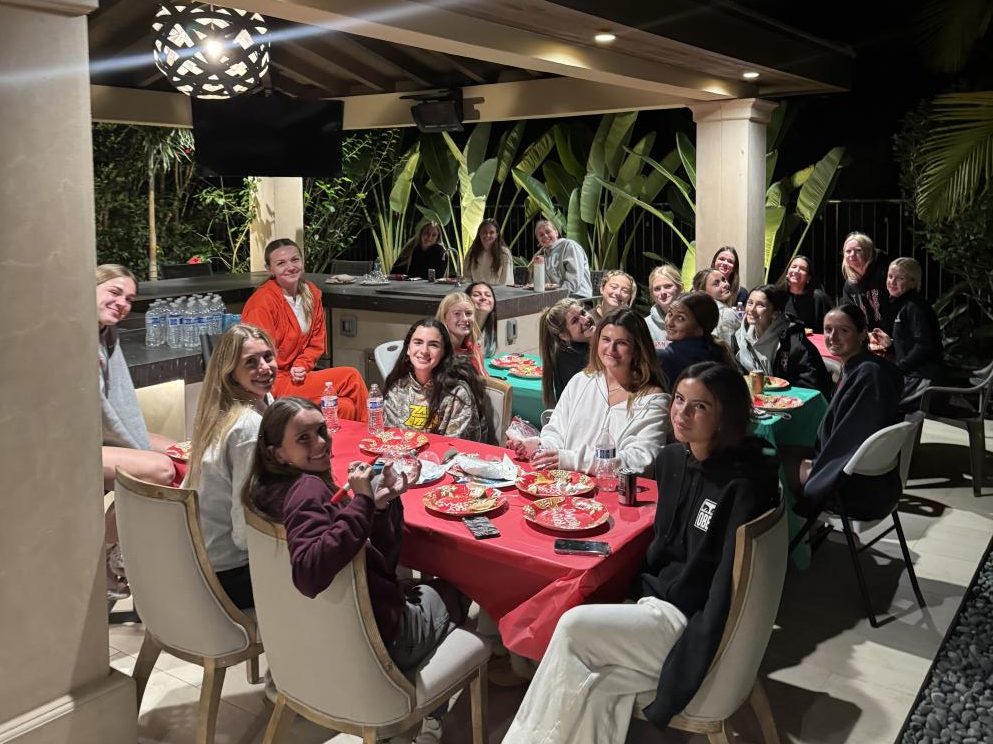
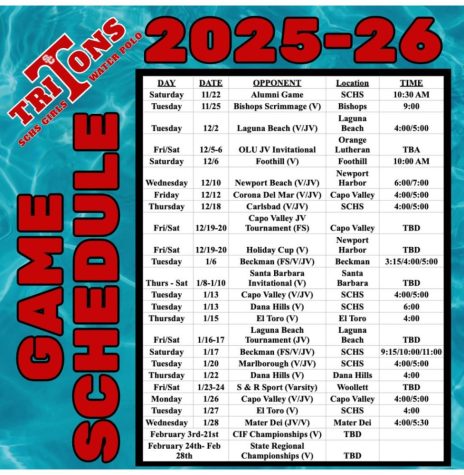
Girls water polo is another extreme winter sport. They are together six days a week: six days of practice, except when they have games on the same day. In addition to this weekly schedule, they also have a team dinner once a month. Jane Fischer, a junior on Varsity Girls Water Polo, claimed that her sport “limits time for schoolwork but gives [her] lots of time to talk to teammates and exercise,” giving her a balance of social and athletic activity. While she appreciates her time with her team and loves her sport, Fischer added that she “feels like [she] would be more prepared for finals” if she didn’t have her sport during this time because she would have more free time to study.
So how do these student athletes do it? They somehow manage to be everywhere at one time: studying for finals, completing study guides, attending bonding activities, and working hard at games while simultaneously staying in a joyful holiday mood for their families. Fernandez swears by her system of planning ahead. She explained how she “lets [her] teachers know in advance” if she is missing a period for soccer so she can get the work early. Fischer stated that personally, she balances water polo and school by “viewing [her] sport as an outlet to have fun.” To help other winter student-athletes out, she offered some advice: do not stress about one (sports and school) more than the other. See them as tools to help you improve your life rather than things taking up your day–perspective is everything!
Leave a Reply