
Audrey Folia | Editor-in-Chief
December 12, 2025
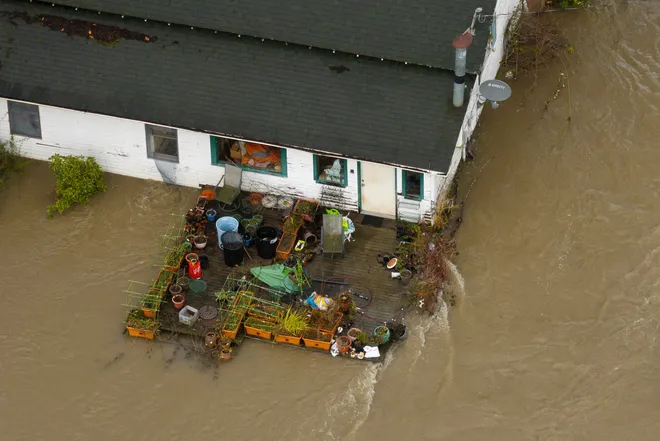
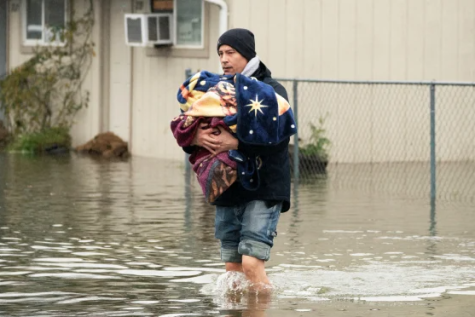
One hundred thousand people in the Pacific Northwest are facing evacuation due to historic flooding caused by record-high river levels. Over the Cascade and Olympic mountain ranges, over 18 inches of rain have fallen in the past 72 hours, according to NBC News. Washington state is bearing the brunt of this rainfall, with authorities predicting 15 moderate and 18 major floods over the Skagit River. Of the entire Pacific Northwest region, more than 5 million people are under flood warnings.
Members of our very own SCHS cross-country team faced these conditions while racing in Oregon this past Saturday. Senior Natalie Deyhimy described the rain as a “never-ending downpour” that “made running much more difficult.” Sophomore Summer Luciani, who also ran in Oregon, added to the statement, claiming “the course was completely flooded.” She emphasized the “muddy conditions” caused by heavy rainfall. These sentiments are understandable as Oregon is a key state facing flooding and extreme rainfall. In Tillamook County, particularly, several road closures have occurred, and there are threats of power outages.
But what’s causing this so-called atmospheric river? One key factor is climate change. Warmer temperatures result in “increased evaporation, which supercharges storms to produce more rain, resulting in higher chances of flooding”(AmericanProgress.org). It’s even predicted that events like this could become 20% more severe and three times more likely in the United States by 2070.
Because the United States is so developed, the reason for this prediction largely stems from the large quantity of impermeable surfaces, those that water can’t penetrate, such as asphalt or concrete. This encourages flooding as the rainwater has nowhere else to go. Many American cities aren’t prepared for this type of weather and are therefore easily overwhelmed by it, specifically their sewer systems which get clogged by the debris.
The Pacific Northwest flooding is something that is impacting millions of people right now, but it also reflects a potential larger issue within the United States. As temperatures grow warmer and rainfall gets heavier, it raises the question of whether or not the nation is prepared to handle the consequences of climate change.
Leave a Reply