
Ryan Bautista | Head Editor & Layout Manager
January 9, 2026
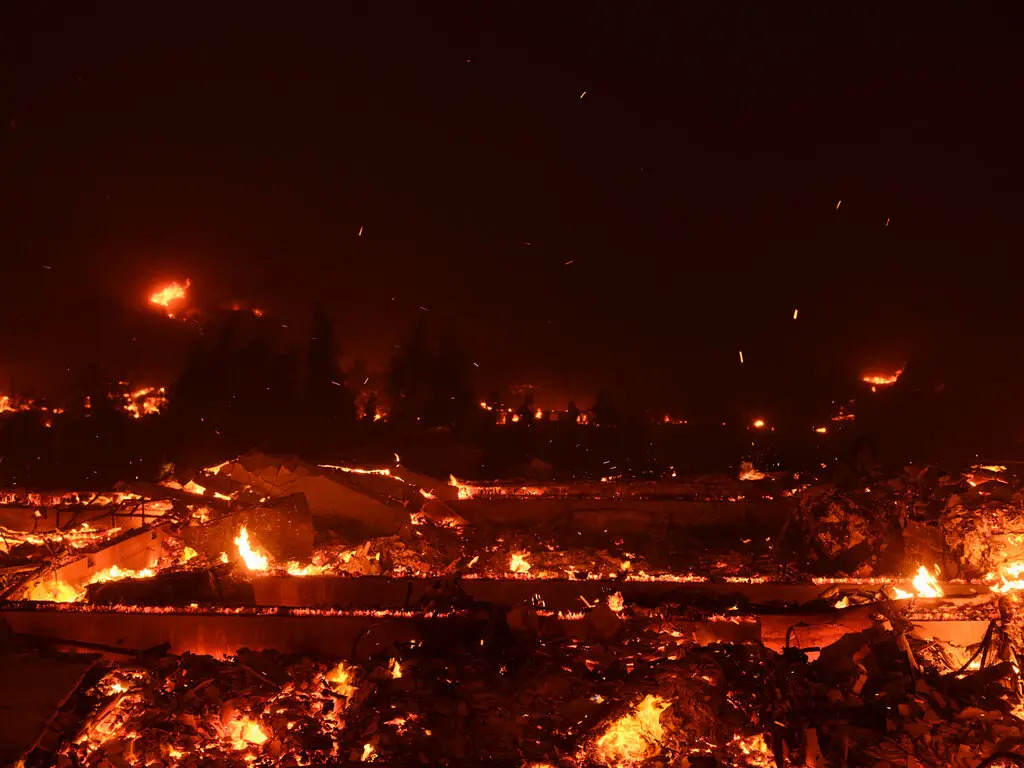
One year ago this week, the Palisades and Eaton fires burned just an hour north of here, decimating Los Angeles and its surrounding regions. 31 people died, and over 16,000 houses were destroyed as the fires rampaged across 80 square miles. People were displaced for weeks, not knowing whether or not their homes were safe. But now, one year later, the focus has turned to rebuilding, with the City of Los Angeles issuing more than 2,600 building permits according to The New York Times. But it isn’t as easy as handing over slips of paper.
One of the main issues rebuilders are facing is money. Four out of 10 rebuilders are currently in debt and having to erase their entire savings in order to try and survive (NY Times). Many of these people were thankfully insured for their properties, but insurance companies are not distributing money at the rate that they should be. Many are claiming that evidence and documentation of claim-holders are insufficient, leaving customers unable to pay basic living expenses.
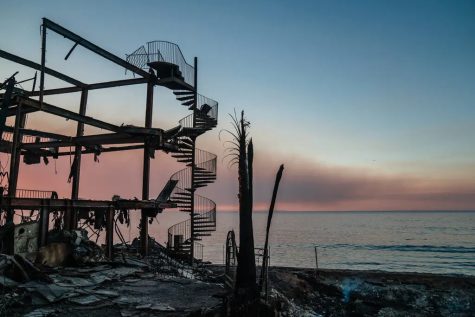
Senior Cocean McAlister, whose grandparents’ Altadena house was the only one on their street that survived, described an additional hurdle people are facing in that “they can’t go back…anytime soon. Even if they are trying to rebuild and not just sell, they can’t go back for a long time.” This is primarily due to the damage that smoke and ash caused to the properties, from contaminating them with metals to being unable to have any type of outside space.
Unfortunately, with all of these factors weighing down on people, some have simply chosen to give up and move away. They are selling property, finding new jobs, and going elsewhere. Per the NY Times, these people are mainly traveling south into central and southern California, resulting in increased populations and added stress on many levels. Housing prices have increased due to this increased demand, and have not shown any signs of slowing.
However, whenever people talk about these fires or any other disaster, the conversation almost inevitably turns into: Could this have been prevented? Freshman Delaney Bautista, whose grandparents lived with her for two weeks while their home was threatened, questioned, “Why did these fires even happen in the first place? I get that they were started by sparks or something, but why did they get so big?” Bautista’s sentiments have been echoed across California for the past year, with many people pointing fingers. Some are accusing the Los Angeles Fire Department of not using every tool to combat the inferno when it first began, while others point to the lack of pressured water inside of fire hydrants. Then, of course, you get political opportunists blaming their rivals in order to gain more votes and making promises to “fix” this disaster.
These people are completely missing the point. Yes, the fires were awful and should never have happened. Unfortunately, they did happen. But what people should remember is that California came together to support those who were affected. Whether it was donating money toward rebuilding efforts or housing displaced residents like Bautista, it was a time when the state came together. And because of its far-reaching implications, it served as a stark reminder of how destructive wildfires can be and that everyone must do their part in preventing this from happening again.
Leave a Reply