
Audrey Folia | Editor-in-Chief
January 14, 2026
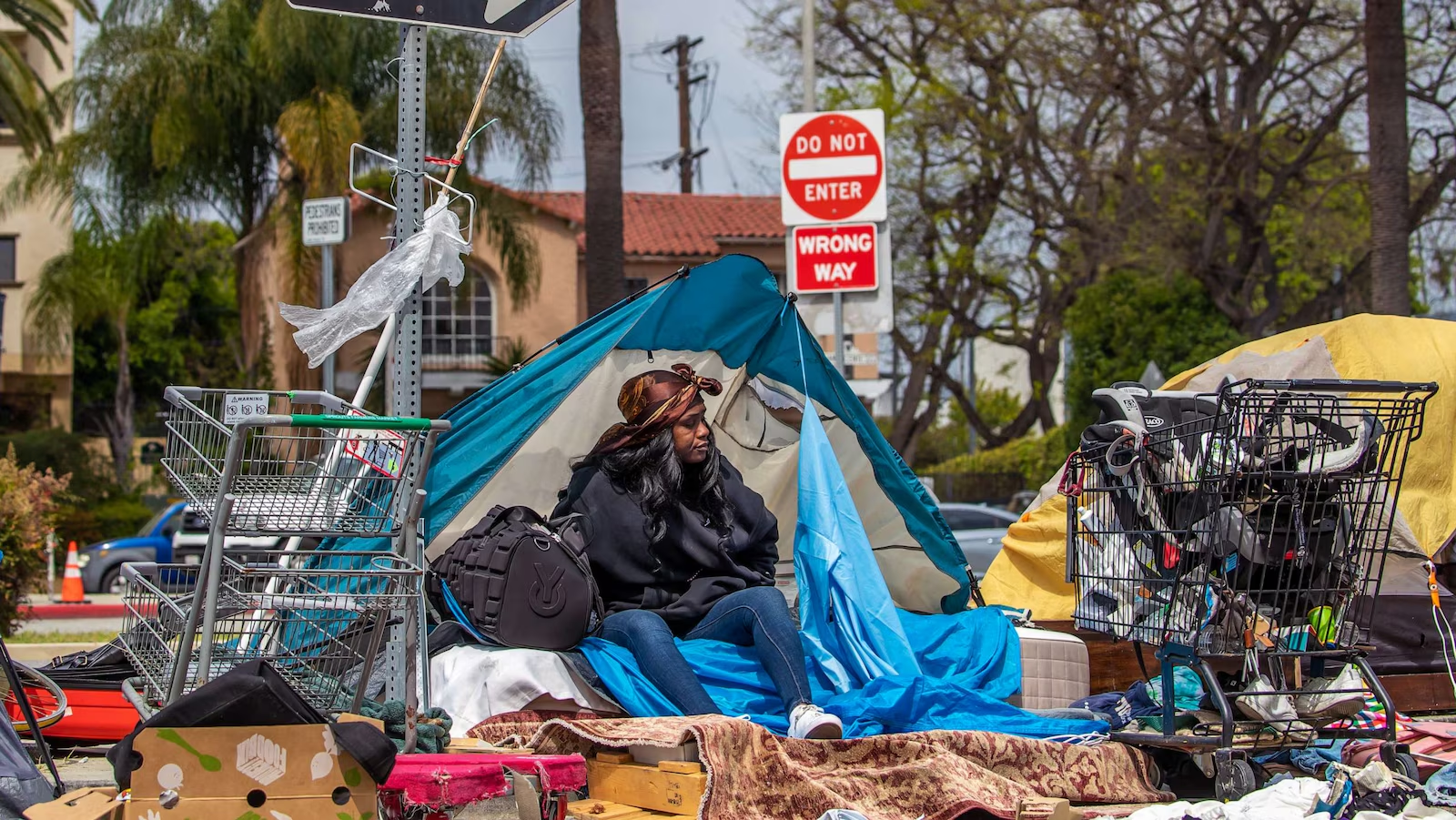
Despite a reported 9% drop in unsheltered homelessness, the largest in 15 years, California’s homelessness crisis remains among the worst in the U.S., according to Stanford’s Institute for Economic Policy Research.
Homelessness has long-been considered a significant issue in California, and with it becoming an important talking point in elections, it’s crucial to consider how the issue developed and why it has continued to grow, what this means on a local level, and what the future of homelessness in California might look like.
The Origins of Homelessness in California
According to NPR, homelessness “emerged as a chronic issue” in the 1980s, compared to the “adequate supply of affordable units” in the 1970s. A variety of factors led to this shift, one specific reason being the gutting of social programs, including those centered around mental health institutions.
The Homelessness Hub of CA asserted that because “people with poor mental health are more susceptible to the three main factors that can lead to homelessness: poverty, disaffiliation, and personal vulnerability,” they are therefore more susceptible to homelessness itself. In addition to this, after becoming homeless, mental health has been shown to only worsen, as it exacerbates “anxiety, fear, [and] depression”(HomelessHub). So, when taxes were cut in the 1980s, many individuals with mental illnesses were left without resources.
Still, it can be argued that what’s truly at the core of the problem is a lack of housing within the state, which makes affordable housing virtually nonexistent. In a study conducted by the McKinsey Global institute, it was found that California would need “3.5 million new housing units by 2025 to deal with its chronic housing shortage”(McKinsey). With the state building approximately 100,000 new homes per year, the supply of housing is insufficient to meet the demands, meaning their prices are high.
When questioned about the homelessness crisis, senior Cocean McAlister proposed the role of drugs in fueling the issue, claiming homelessness is often a result of “things like drug usage or abuse of a substance” and that “in many places [they] are enabled to continue with that lifestyle” instead of receiving the help they need.
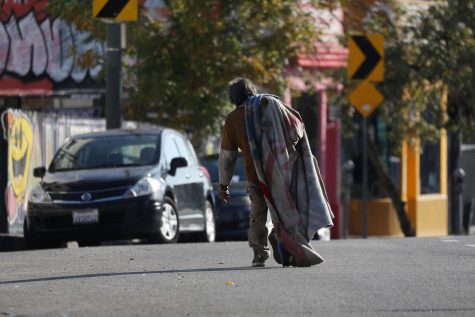
But what are the implications of this on a local level?
Homelessness in San Clemente
One way the state as a whole has been attempting to reduce the issue is by removing dangerous encampments, a strategy that can be seen in San Clemente itself. After a Supreme Court ruling has granted cities greater enforcement of anti-homelessness policies, San Clemente has begun enacting homelessness-related policies. One example of this was current mayor and past councilmember Rick Loeffler’s proposition to ban food distribution at North Beach, however this ultimately fell short of the number of votes needed to pass.
As for services, San Clemente has thrived in providing homeless outreach programs. From religious organisations like Christ Lutheran Church’s weekly potlucks to nongovernmental organisations like FAM, there are a variety of services in the city. Senior Owen Naylor emphasized the importance of such programs, claiming “oftentimes people living on the streets don’t have access to reliable sources of basic necessities. Food and clothes drives provide a way for those more fortunate in the community to make sure these human rights are met for all.”
With the issue being at the forefront of many’s minds in California, most are left wondering what the future of homelessness will look like in the state and for San Clemente citizens.
The Comparative Futures of Homelessness in San Clemente and California
Due to Orange County’s tendency to lean more conservative than the rest of California, it is possible that San Clemente’s approach to the crisis will look different from that of the rest of the state.
As for California as a whole, the State of California Business, Consumer Services, and Housing Agency asserts that “big, bold steps” need to be taken to solve the issue. The agency highlights “Homekey” and “Project Roomkey” programs that produce permanent and temporary housing as two ways the state has addressed the issue. Referencing the previously discussed issue of supply and demand, it suggests that the most efficient way for California to address the issue would be to increase permits for housing and continue building them.
While there is limited information on San Clemente’s future with homelessness, San Clemente’s previous mayor, Victor Carbal, conceded that “there are limits to what we can do as a city,” but that a “balance between offering homeless people services and enforcing anti-camping laws.”
While progress has been made, the future of homelessness in California remains relatively uncertain. One can hope that Governor Newsom continues to make progress in its reduction so that what could be considered a modern day human rights violation may be put to rest.
Leave a Reply