
Polina Pelipenko | News Editor
January 16, 2025
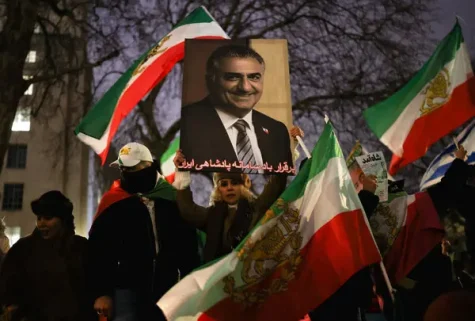
Iran is in the midst of one of the most violent protest movements in decades as nationwide demonstrations continue into January 2026. What began in late December as protests over economic hardship has transformed into a broader uprising against the government, and the government’s response has been devastating.
Protests first erupted in late December amid soaring prices, unemployment, and the sharp collapse of Iran’s currency. While many Iranians initially took to the streets demanding relief from economic suffering, the demonstrations quickly grew into calls for political change and opposition to the ruling clerical leadership.
The government’s response has been fierce. Security forces, including riot police and elite units of the Islamic Revolutionary Guard Corps, have used live ammunition, tear gas, and heavy force to disperse crowds. A nationwide internet blackout was imposed on January 8, cutting off communications and limiting independent reporting on events inside the country.
According to human rights groups and activist networks, the death toll has climbed far beyond estimates, with reports suggesting more than 2,500 people have been killed and over 18,000 detained since the protests began. This includes not only police clashes but also deaths among bystanders and children.
Despite limited access to the country, eyewitness accounts and leaked footage have described horrifying scenes. Some videos verified by rights organizations show bodies lining morgues, victims with fatal gunshot wounds, and security forces firing indiscriminately into crowds. Families have been forced to bury loved ones in secret due to fear of retaliation.
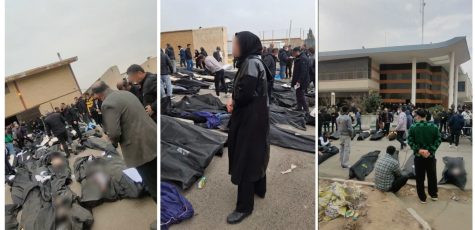
17-year-old Mohammad Nouri was shot during protests in Qom and later died from his injuries, according to relatives who say authorities pressured them to mislabel his death as a twisted accident rather than an act of governmental terrorism. Another young protester, 18-year-old Reza Moradi Abdolvand, was shot in the head and side, then hospitalized under strict guard, restricting him from having proper care until his death.
Sophomore Summer Luciani described the situation as “horrifying and incredibly sad, the entire population is in danger just for speaking up.”
Additionally, sophomore Eloise Jantz added that, “I just don’t understand why another country doesn’t intervene, people are dying.” International reaction has been intense. At a recent emergency meeting of the United Nations Security Council, world leaders condemned the violence and called for restraint, while the United States imposed sanctions on Iranian officials connected to the crackdown. Iranian authorities, meanwhile, have branded demonstrators as terrorists and blamed foreign influence for stirring unrest.
The protests have calmed with people in fear of losing their lives, yet the fear and grief remain. Many analysts say the protests reflect deep frustration with economic mismanagement and lack of opportunity, particularly among the country’s youth. Protests most likely will erupt again within a matter of time. Yet whether the unrest leads to lasting change or further repression, the cost already paid in blood is shaping Iran’s future.
Leave a Reply