
Emerson Watt | Opinion Editor
January 16, 2025
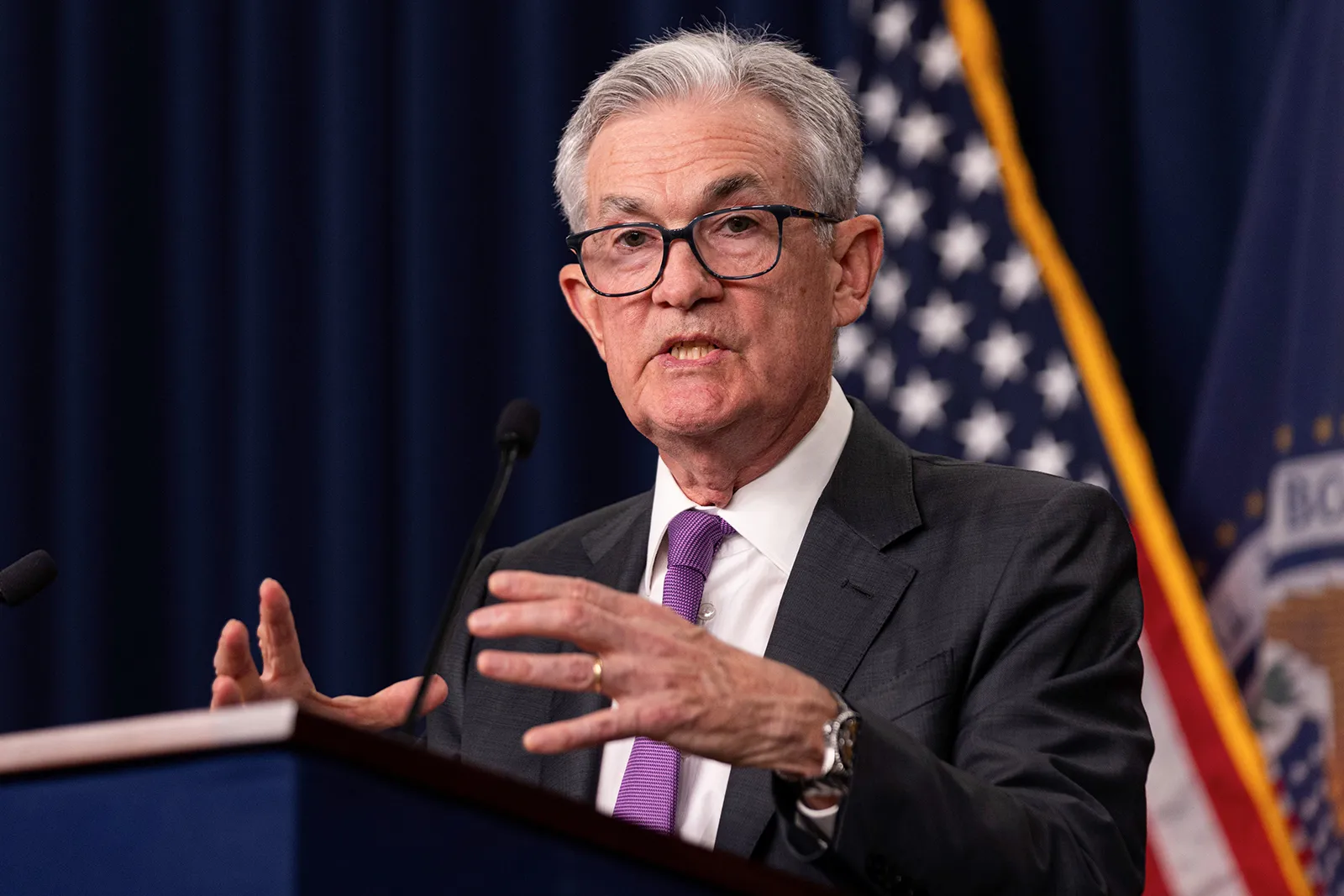
As of Monday, January 11th, The U.S. district attorney’s office in the District of Columbia has officially opened an investigation into Jerome Powell. Powell is our current chairman of the Federal Reserve, serving the Fed for almost 13 years, 8 of those years as the chair.
As the chair for two consecutive terms ending in 2028, Powell has held the responsibility of communicating to Congress, controlling agenda and leading discussions regarding America’s monetary policymaking. The Fed, the nonpartisan central bank to the United States, is created to influence money and credit conditions to support economic growth while keeping inflation rates in check.
However, the recent administration has made a pointed effort to challenge the independence of this governing body. The investigation into Powell follows months of public criticism from President Trump, who has repeatedly blamed the Federal Reserve for economic slowdowns and high interest rates. While presidents have often expressed frustration with the Fed, this investigation marks a dramatic escalation. Critics argue it threatens the separation between political power and economic governance.
Supporters of the investigation claim it is a necessary step toward accountability, arguing that the Federal Reserve wields immense power with limited oversight. They contend that Powell’s policies have contributed to inflationary pressures and restricted economic expansion. When told about these debates, SCHS Senior, Avalon Davis, remarked that “the Fed must be left out of partisan opinion; they are created to be their own body that serves the needs of the economy, not the executive branch.”
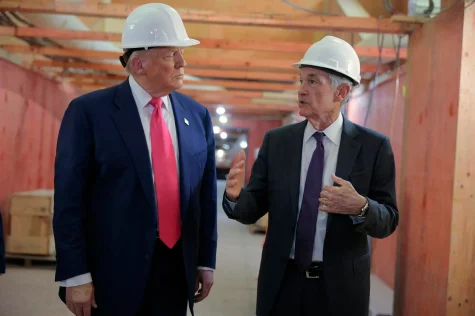
Yet opponents warn that this probe resembles a modern form of political intimidation, echoing the tactics of McCarthy-era investigations that targeted individuals not for wrongdoing, but for ideological resistance. SCHS senior, Mia Kocher described such “similarities between suspicion and investigation in the current administration mirroring past, like the Cold War.”
Many economists and legal scholars argue that weaponizing investigations against an independent institution sets a dangerous precedent. If the Federal Reserve can be pressured or punished for decisions that conflict with presidential preferences, its ability to function objectively may be permanently undermined. The fear is not only about Powell himself, but about the message sent to future policymakers, that independence comes at a personal and professional cost.
The investigation into Jerome Powell raises broader questions about power, accountability, and political overreach. At its core, this controversy is less about monetary policy and more about whether independent institutions can withstand partisan pressure in an increasingly polarized political climate. As history has shown, when investigations are driven more by political motive than evidence, the consequences often extend far beyond their original target.

Leave a Reply