
Emma Llamas | Writer
March 20, 2026
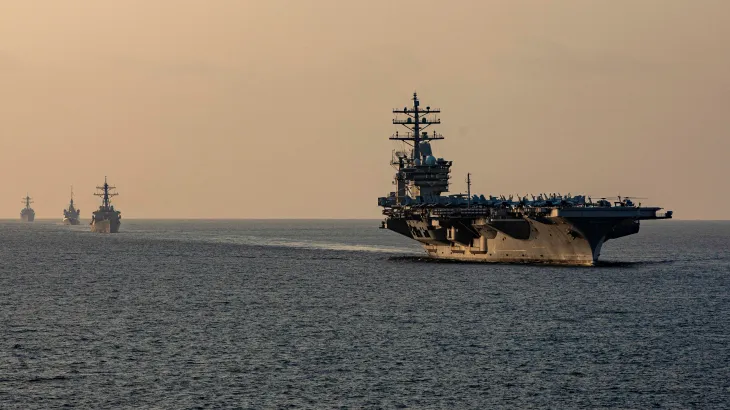
Last month marked the beginning of the strike conflict within Iran, which the U.S. military named “Operation Epic Fury.” The conflict, from the U.S. and Israel’s perspective, is to eliminate the imminent threat of Iran’s nuclear weapons development, which has been a concern for the U.S. and Israel for over three decades. Trump and Netanyahu also share other objectives of calling the Iranian population into action to change their government, but appear to have no concrete vision for the conflict’s end goal. So far, this U.S.-Israeli operation has led to the strike killing of Iran’s Supreme Leader, Ali Khamenei, and the deaths of many other Iranian government and military officials, especially those linked to weapons development.
Iran has responded with retaliatory strikes, and now, by blocking the Strait of Hormuz with the goal of preventing oil from reaching Israel and the United States. The Strait is responsible for the distribution of 20% of the world’s oil and gas, and the blockade threatens to be economically disruptive to energy prices, nitrogen fertilizer, and chemical and fuel supply chains.
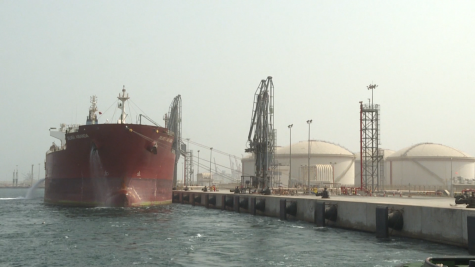
Many have already begun to see the negative effects of the blockade on transportation and gas prices. Gas prices have gone up roughly $1.50—from about $4.20 to $6.00 —in the last few days. Senior Eliiana Martinez added to this conversation, claiming “it’s ridiculous…our president put us in a war that we did not ask to be in… and now were dealing with its consequences.” Prices have not only gone up for gas, but also for many forms of transportation. This includes most forms of public transportation, most notably, the cost of air travel, leading the cost of plane tickets to increase by about $100 almost immediately after the blockade of the Strait.
Additionally, the blockade of the Strait threatens to negatively impact the production of the entire food supply. The Strait of Hormuz is responsible for distributing about 30-40% of the globe’s nitrogen fertilizer, which is crucial for crop production. This, paired with rising shipping costs, could lead to reduced production of staple crops—such as rice, corn, and soy—and substantially increase the prices of these foods worldwide. Mrs. Shick, an AP American Government teacher, added that “if the closing of the Strait continues, the price of anything that needs to be shipped will go up… It could possibly shape these next midterm elections and might help democrats.”
The long term effects of blocking the Strait are not completely clear as of now, especially considering there is no clear end goal to the strikes or vision as to what success in Iran would look like for the U.S. and Israel. But it can be assumed that more countries—like top importers of gas and liquefied natural gas like India, China and Japan, or even top exporters like Kuwait, Saudi Arabia and the UAE, will be suffering economically and begin to be negatively affected due to the inability to transport these resources.
The globe’s economy might be seeing major hits if the conflict continues and some countries might even pursue alternative trade routes and partners. Depending on the duration of the blockade, there could be a shift towards electric energy and widespread recessions.
Leave a Reply