
Madison Rae Cabagbag | Social Media Editor
March 27, 2026

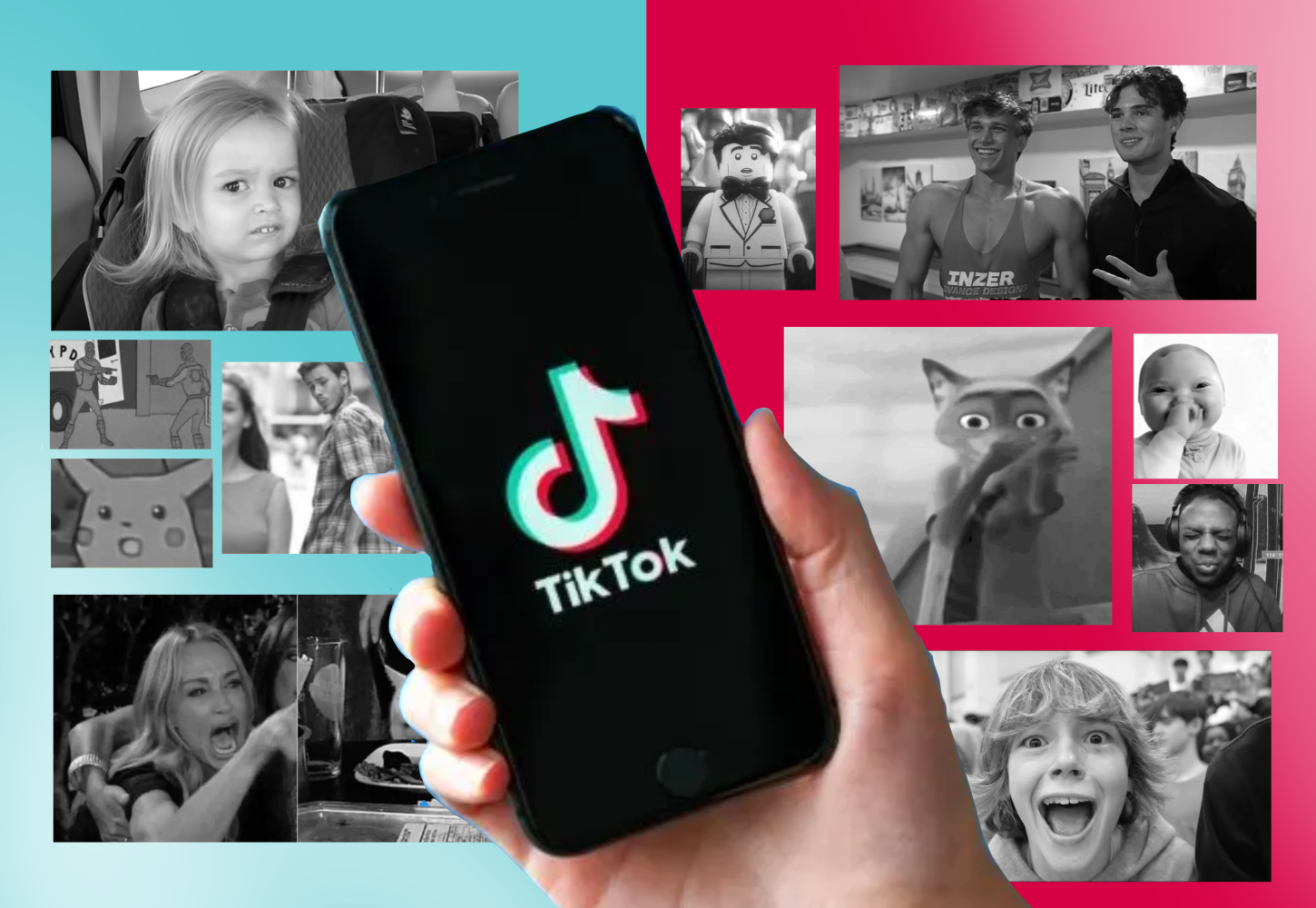
Throughout the 2010s, memes were at the focal point of all cultural relevance. Whether it be Drake shunning and approving a topic of your choice or a low opacity overlay of math problems to emphasize intense contemplation, memes of all kinds were being sent in group chats, referenced in media, and even on your teacher’s syllabus slideshows.
But in the present day, if you were to approach an adolescent about something funny found online, and referred to said thing as a “meme,” chances are you’ll be greeted with a scrunched up face.
“I haven’t used the word meme in a long time… only maybe explaining something to my dad” explained sophomore Ella Byer. She went on to say “there isn’t really a word for it, I guess you could call it brainrot now. I get most of that kind of media from TikTok and Instagram.”
But how could such a keystone of youth humor vanish so quickly, especially with online media being more ingrained into young lives than ever before?
One thing can be made clear: the concept of memes hasn’t vanished. People still find hilarity in their phones. But their connotation, and role in pop culture, has been evidently redefined. Notably, much of these changes trickle down from how short form media has been impacting entertainment systems in general. Tailored algorithms designed to keep individual attention at a large scale create more personalized, and less overarching, access to media. What is relevant cycles through quicker, and what people consume becomes more specific to themselves rather than a mainstream phenomenon.
“Scrolling is such a big thing now,” commented sophomore Ruby Howards. “It’s less memes and more just sharing videos. I probably get most of it from Instagram reels, or Smosh from YouTube. I guess you could say humor is more niche now– but the last really big thing that could compare to big memes was probably the ‘6-7’ craze.”
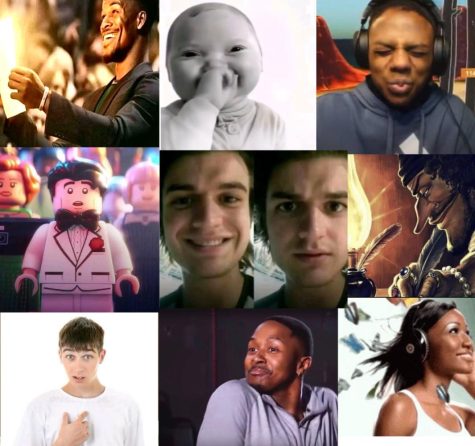
Another interesting angle comes from TikTok comment sections. In September of 2025, TikTok added a feature allowing users to reply to videos with images, similarly to Instagram. Since then, certain graphics, often known as ‘reaction photos,’ have so far lived longer lifespans of relevancy in video comment sections. This occurrence contradicts the modern day funny video format and revives a culture of lasting funny pictures.
As attention spans become shorter, huge cultural spectacles become shorter and rarer. Online humor has transformed into algorithmic attempts to get people to engage, and while some may argue this shift lends the opportunity for people to create their own unique palettes of digital amusement, the fragmentation of mainstream culture kills the large sense of community people once had. And while short form videos may be the center of modern day entertainment, it will be interesting to see how if it will once again transform at the end of the 2020s decade.
Leave a Reply