
Chloe Cabatuan | Writer
February 6, 2026
Today, conservation is about protecting the endangered species and damaged ecosystems that are struggling because of anthropogenic actions, which is the main cause of the loss of biodiversity. Hundreds of species have been saved because of conservation efforts; however, the world is changing faster than these efforts can keep up. Some might say it isn’t “that bad,” but approximately 1 million plant and animal species are at risk of extinction due to climate change and human actions.
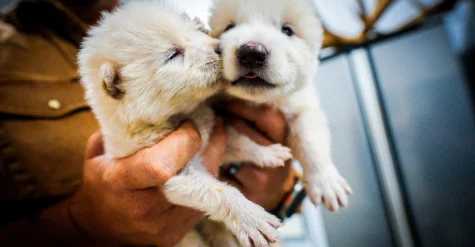
Scientists are no longer limited to protecting what is living on this planet, but are now able to explore the idea of bringing back what has already been lost. De-extinction efforts are developing, such as Woolly Mice, which are genetically modified mice to have pelts like the Woolly Mammoth from thousands of years ago. The idea of having mammoths walk among us seems more distant than anything. Scientists have already been able to bring back the dire wolf, a species that has been absent for over 10 thousand years. While these scientific breakthroughs are impressive, they raise the question of how they will benefit the current world, not just the future one. Science isn’t just about bringing back extinct species for clicks; it can genetically enhance plants to consume more carbon and produce more oxygen, which is crucial for a world that is approximately producing 40 billion metric tons of carbon yearly.
“Just because science can do something like that doesn’t mean they should. The idea of having those animals back is cool, but having them in a world that is much hotter and way more polluted feels wrong,” expressed Gabriella Grajeda, a junior at San Clemente High School. Even if we bring back all of these extinct species, we would be bringing them into a world that they don’t fit in. Climate change has already permanently damaged the habitats of animals and plants currently living, not to mention the habitats of animals from hundreds to thousands of years ago. These animals would survive, not thrive – especially with climate change rapidly and actively changing the world around us, which will soon be too damaged to fix.
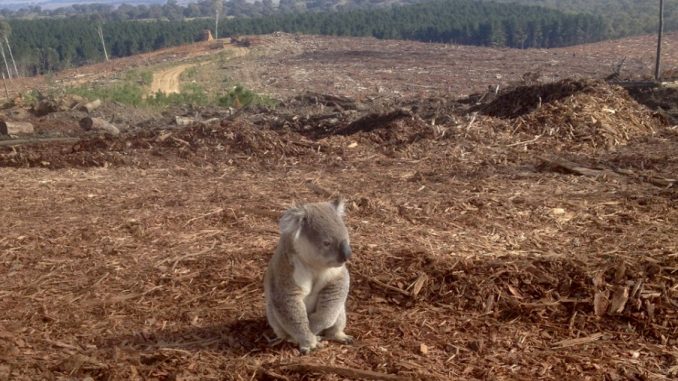
Thousands of species are currently endangered, where human actions have accelerated the rate of extinction from 100 to 1000 times faster than natural events. We are beginning or already a part of the sixth mass extinction event. For comparison, the last event was 66 million years ago when an asteroid impact wiped out up to 76% of all life on Earth. However, this time, it is caused by overfishing, overhunting, pollution, habitat destruction, fertilizers, and pesticides, all from human impact. When land is destroyed, so are its inhabitants. When we lose habitats, we lose biodiversity, lowering the amount of organisms to pollinate our crops, purify the water, and regulate pests, which threatens our food security and health. We are on track to lose up to 50% of all biodiversity on Earth by 2050. With the already limited funding and resources for conservation, de-extinction could take away the attention needed from living species. Conservation has to prioritize protecting existing species and habitats, which can only be done by combating climate change, pollution, and deforestation
The future of conservation should focus on preserving the life around us before trying to recreate life before us. Kayumi Loch, a senior at SCHS, shared how she believes that, “if we don’t start caring for the planet we are living on, bringing back extinct animals won’t matter in the end.” Humanity has to prove that we can protect life around us, rather than trying to bring extinct species back. The problem is a human one; the solution is a human one, too.
Leave a Reply