
Carson Neuhausen | News Editor
February 20, 2026
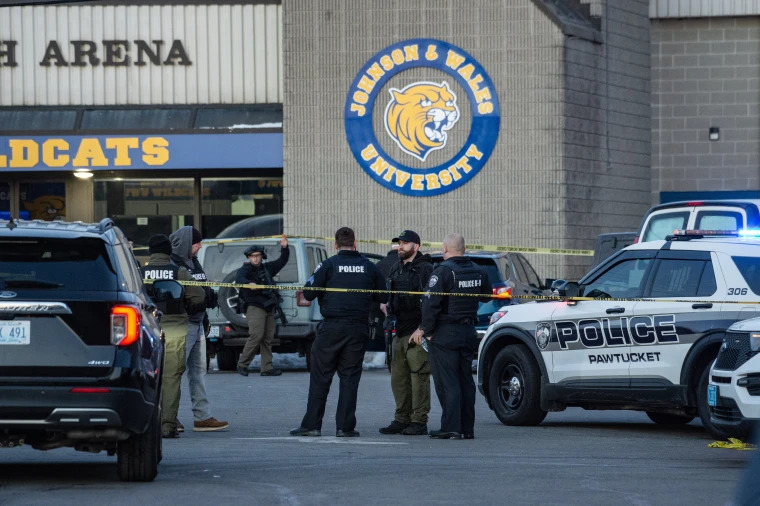
In the afternoon of February 16, 2026, a routine youth hockey game in Pawtucket, Rhode Island, was interrupted by one of the most shocking acts of public violence in the state’s history. Robert Dorgan, the 56-year-old father of a North Providence High School senior, opened fire into the stands of the Dennis M. Lynch Arena, killing his ex-wife and adult son and critically injuring three others before ending his own life.

This attack was not some random shooting, but rather a targeted, public act of “domestic violence” as described by authorities. The shooter had allegedly gone to the arena to watch a family member play before unloading into the crowd at roughly 2:30 PM. As the man began shooting in front of the spectators (which included children and teenagers), a random bystander attempted to overpower the gunman, which may have saved an untold number of lives. While the motivation for the attack remains unclear, the consensus amongst the public and authorities is that the violence was a result of a long-standing family clash after a divorce in 2020. The deeply personal nature of the shooting has brought more attention to the debate regarding the transition from domestic tension to brutal violence. Additionally, the attack has renewed conversations around mental health and its association with firearm licensing.
Throughout the last decade, domestic violence has begun spreading further and further into public life, turning spaces such as schools, sports facilities, and churches into places of potential danger. Developing teenagers and even adults tend to associate these public places with negative emotions from their past and, as a result, commit acts of violence in these areas. In conjunction with debates about increasing violence in public areas, talks about the relationship between mental health history and firearm background checks are increasing in popularity. SCHS senior Dylan Kieffer said that he is “surprised that that man was able to get his hands on a gun” after learning about Dugan’s struggles with mental stability after the divorce. Even Dugan’s adult daughter was caught on video stating that her father was, in fact, the shooter and was severely mentally ill. This tragedy is another example of how gun background checks tend to overlook mental health as a factor in regulation. SCHS senior Luke Karidis also commented that “background checks should go deeper into mental health rather than just criminal history.”
In the aftermath, schools across the state have offered counseling to students who witnessed and/or were affected by the attack, while the community holds vigils to honor the mother and son who passed.
Leave a Reply