
Emma Llamas | Writer
February 20, 2026
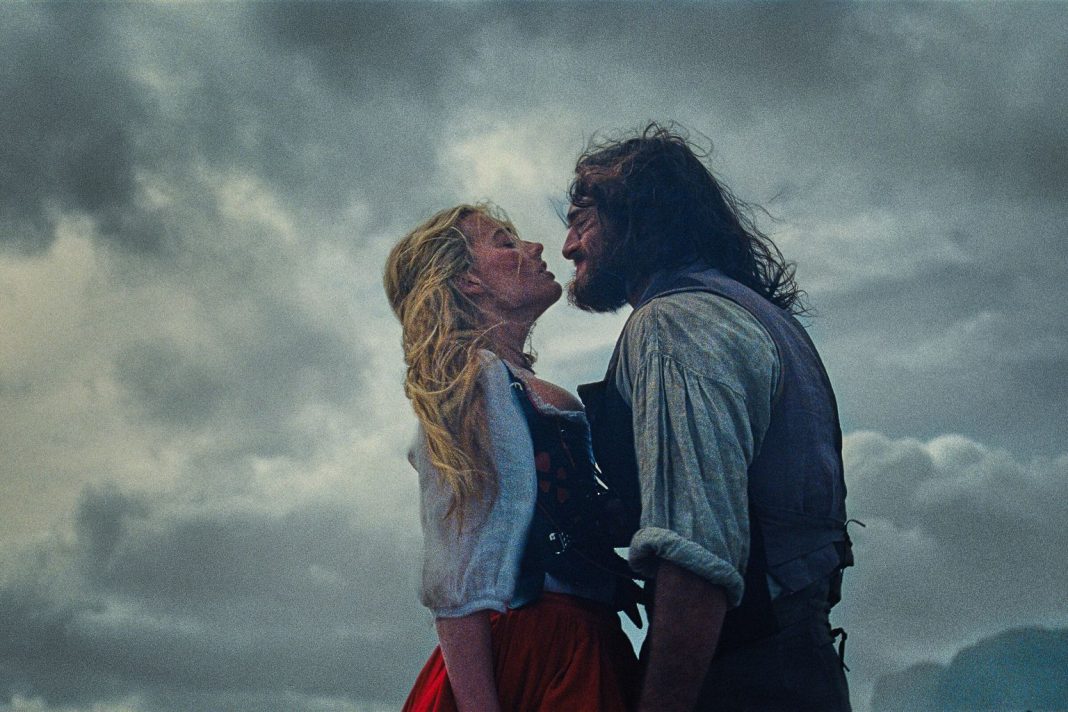
Wuthering Heights, written by Emily Brontë and published in 1847, was recently adapted into a movie by Emerald Fennell. The passionate and violent classic of English literature has been a backbone of Gothic fiction and loved by new audiences for centuries. As it follows the romance of Catherine Earnshaw and Heathcliff, it also touches on themes of social class, nature vs. culture, revenge, and the supernatural—these themes make the story timeless. Because of these lasting and relevant themes, the story continues to be adapted into countless television shows, musicals, reimagined novels, and endless movies.
But as the new movie, released February 13th, began to hit theaters, mixed reviews began to surface online and in the media. Some feel the movie is a shallow reimagining, while others think the movie is a chic and an exciting adaptation of a classic that makes it accessible to new audiences.
The casting is a detail that a portion of book-loyalists and lovers are especially critical of. Catherine Earnshaw, played by Margot Robbie, and Heathcliff, played by Jacob Elordi, have been criticized for not being faithful to the book. The casting of Elordi is especially controversial, as the character’s background as a brown Romani man is central to the story’s conflict and the cause of the poor treatment he faces. Most of the criticism of this casting is that it takes away from the intersectional class and race commentary Brontë initially intended. Ava Ellis, a senior at SCHS, commented that the movie “missed the point about class division… The story is good, but the casting and plot is missing.”
Additionally, the ‘Taj Mahal Diamond Necklace” was recently worn by Robbie at a Los Angeles premiere of the movie. This historic 17th-century artifact was especially controversial as she referred to it as the ‘Elizabeth Taylor necklace’ despite its much longer history. It is tied to India’s Mughal Emperor Jahangir and his wife, Nur Jahan, and was then passed down to his son, who built the Taj Mahal for his wife and earned the inscription “Love is Everlasting” for her. The necklace was stolen in the 18th century by Nadir Shah, the Iranian ruler and conqueror, and remained missing until it resurfaced in the 1970s as part of a Cartier collection, where it was gifted to Elizabeth Taylor for her 40th birthday. Many viewers’ evaluations of Margot Robbie wearing it, as well as her referring to it as part of old Hollywood glamour, diminish its historical significance. This instance added to the critiques of the movie’s poor perception, shallow adaptation, and limited understanding of its themes and social commentary.
Yet, those who liked the movie credit its visual beauty and Charlie XCX’s contribution to the soundtrack for its chic, imaginative remaking. Emerald Fennell, director known primarily for Saltburn, directed Wuthering Heights. Her works are generally divisive among audiences, as they tend to prioritize shocking visuals and melodrama. Yet it is these provoking visuals that some think made Wuthering Heights exceptional at opening debates and conversations on social media and, notably, Letterbox. Along with strong performances from the actors, the movie’s visuals were unanimously deemed stunning.

The soundtrack was also well received for its greater contributions to the narrative and for acting, almost, as a secondary narrator. Senior Kayumi Loch said the album “added to the visuals and feeling of the movie where it was lacking.” The album also featured artists like Djo, Sky Ferreira, and John Cale, who contributed to the movie’s moody atmosphere through a mix of alt-pop and dark-wave. It embodied the Gothic vibe of the original story while introducing modern elements to Fennell’s movie.
In conclusion, the movie was divisive for general audiences and even for those who usually enjoy Emerald Fennell’s films, leaving them wanting more. It had new and exciting elements like Charlie XCX’s music and striking visuals. But was ultimately overshadowed by controversies surrounding the casting, the lack of depth, and even the promotion. Even then, the elements that have made Brontë’s story speak to readers for centuries have endured remakes and will continue to. It remains relevant for its exploration of obsession and social exclusion within a love story and will continue to reach wider audiences.
Leave a Reply