
Emily Ota | Head Editor
February 27, 2026
During the 2026 Winter Olympics, two USA ice dancers stood out for their performances and attitude. However, one was positive, and the other was not. The difference between the two performances on ice was the dancer’s expectations going in and the stress they were carrying.
Ilia Malinin, a 21-year-old USA ice dancer representative, was projected to win gold at the Olympics. Malinin was a four-time national champion from 2023 to 2026, a 2023 and 2024 Grand Prix finalist, a 2025 Grand Prix champion, and a 2024 and 2025 World Championship gold medalist. These impressive stats led viewers to believe that Malinin would easily take the Olympic title in 2026. However, during the Men’s Individual Free Skate, Malinin fell twice, leading him to skate nervously and drop from first to eighth place. After the unfortunate performance, fans reported that Malinin was reposting sad and angry social media posts, sparking concern. Since then, he has stated on Instagram that he “let FEAR in and it ruined [him].”

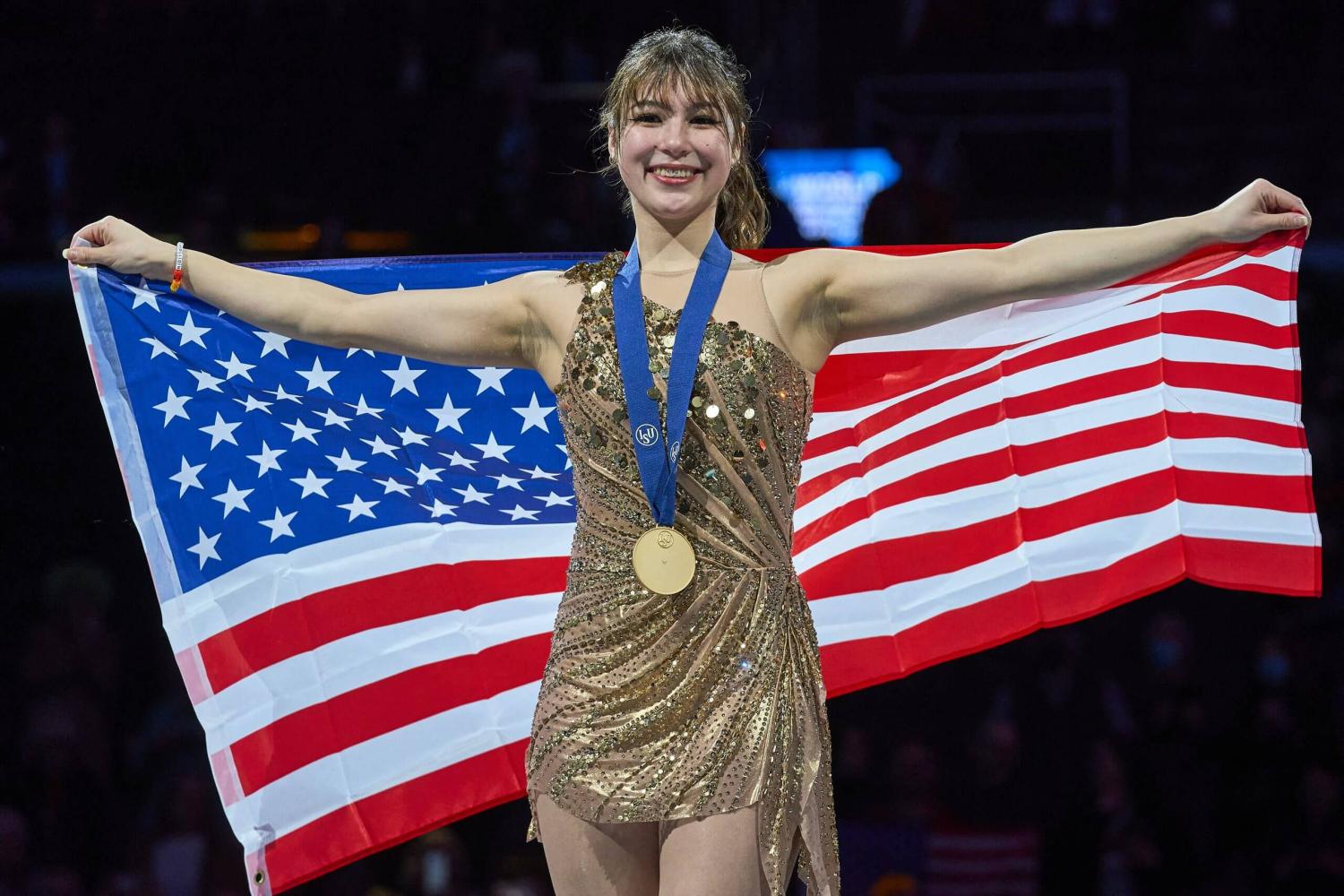
On the contrary, 20-year-old American Alysa Liu left the Olympics with multiple outstanding performances on the ice. She won bronze at the 2022 Beijing Olympics and gold at the 2025 World Championships. A significant difference between Liu’s attitude and Malinin’s was that she went into the Olympics looking to have fun doing the sport she loved, without the heavy expectations weighing on her. Her routines were playful, smooth, and energetic, reflecting her youthful approach to ice dancing. Junior Neva Phillips, a watcher of the 2026 Winter Olympics, stated that unlike Malinin, “Alysa had confidence right from the start [and] looked effortless on the ice, [while] Ilia may have overthought his routine too much.”
The 2026 ice dancing was a perfect example of how expectations affect an individual’s performance and highlighted the importance of athletes’ mental health. This isn’t just happening during the Olympics; athletes of all levels go through the same thing every day. Keira Matta, a junior at SCHS and soccer player, confirmed that before games, she worries about getting hurt or how she will perform against a good team. She said that, “expectations definitely change the way [she] performs whether it’s a coach or [herself].” For Matta, she believes that it’s better to not set expectations for athletes if you are a coach, parent, teammate, or one yourself. Without stressful expectations, “there’s no limit or rules to follow,” making it “easier to reach your full potential.” Hopefully, the ice dancing during this year’s Winter Olympics helped open the eyes of many to the dangers of expectations and the importance of mental health for athletes. The more athletes have fun, the more medals the USA can keep winning!
Leave a Reply