
Sedona Sweginnis | Newsroom Manager & Head Editor
March 6, 2026
The Golden State, known for its mild and desirable weather, has been demonstrating relatively extreme weather recently, with temperatures falling well outside the “golden” zone. However, the incomparable comfort of the mild southern California climate, characterized by chronic warm weather and the absence of the suffocating humidity that characterizes most other ocean-side paradises, comes with a heavy price. With parts of southern California exhibiting upwards of 300 days of sunshine per year, citizens are willing to pay a hefty amount to replace seasonal depression, blizzards, tornadoes, and torrential downpour with cloudless, sapphire skies that permit a year-round uniform of shorts and flip-flops; but it doesn’t seem like nature is upholding its end of the bargain.
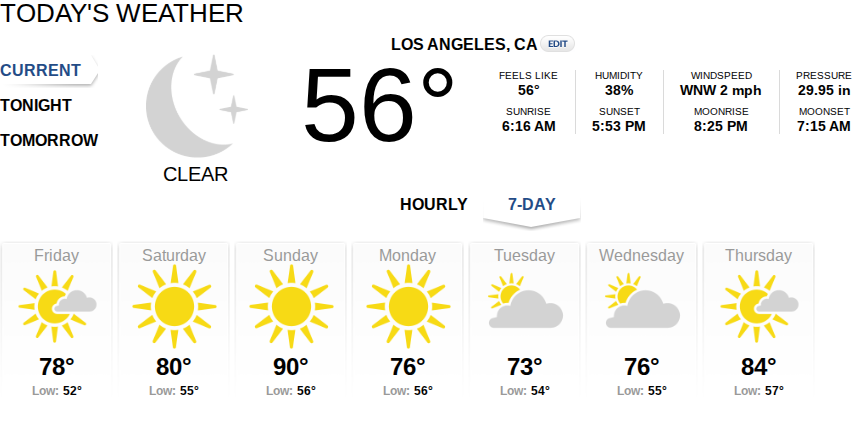
As a result of the unequal heating of earth’s surface in tandem with vast fluctuation in air pressure, temperatures have been rapidly rising and falling throughout the 2025-26 winter. Throughout February, temperatures fluctuated around thirty degrees throughout the day, starting and ending on the colder end of the spectrum while reaching unprecedented highs, more reminiscent of summer than winter, during the daytime. On February 4th in particular, the weather fluctuated excessively, exhibiting a low of 53 degrees Fahrenheit in stark contrast with its high of 88 degrees Fahrenheit. Accustomed to a climate that seldom strays from a reliable 75 degrees, southern Californians were in disarray, attempting to figure out how to live within such polarized temperatures; even with warm weather tending to characterize southern California, 88 degrees far surpasses any regular wintertime temperatures.
SCHS junior Taylor Ball expressed conflicting emotions regarding the recent unpredictability of California weather. Much to her delight, Ball explained that she was able to “tan on the beach” in January and February as if it were “the middle of summer.” However, Ball also described that these brief instances of tropical paradise were rudely separated by “frigid wind and rain.” This inconsistency in the weather, in which both of these two extremes could occur in one day, made it very difficult for students, like Ball, to “plan [their] outfits, as it could be cold and rainy when [they] leave for school but warm and sunny during lunch.” Additionally, rain is an especially large challenge for students in California whose schools are built for year round sun, forcing them to dart from class to class as quickly as possible and seek refuge away from their usual lunch spots to avoid getting soaked.
Similarly, freshman cross country and track runner Jillian Yagher described the challenges that the weather poses to her and her teammates, who train six days a week regardless of the weather. Yagher explained that “it’s been difficult [figuring out] whether to bring sunscreen or full warm-ups to practice every day,” with her team practicing in harsh winds and downpour in mid-February, less than a week before running in 85 degree heat. Yagher went on to explain the additional challenges that this creates, as they “quickly go from overheating to freezing cold,” making it difficult to care for their bodies, especially when it comes to “remembering to drink water on the cooler days.”
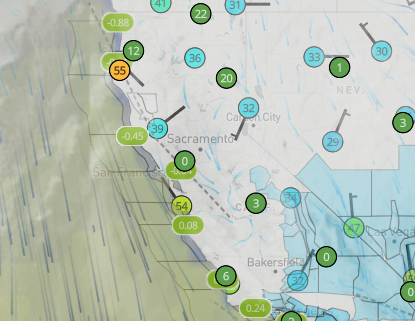
Furthermore, thirty-five degree temperature differences are only a small fraction of the overall wild winter weather that southern California has experienced this winter. Mid to late February, particularly the 17th and 18th, included significant rainfall for the generally dry state, with nearly two inches of rain on the 17th, in addition to violent winds reaching almost 30 mph. The historical Santa Ana and Diablo Winds have made their presence increasingly known this winter through excessive incidents, stirring further chaos into the California atmosphere.
Such extreme weather is quite unusual for southern California, even during winter, representing vast changes in the climate and leading many citizens to wonder if the often crippling “sunshine tax” is still worth it for weather interspersed with Chicago-style wind, Seattle-style rain, and Phoenix-style heat. Is the inordinate cost of living that supposedly entailed consistency and comfort throughout all seasons still worth it?
Leave a Reply