
Maddie Lander | Writer
May 23, 2026
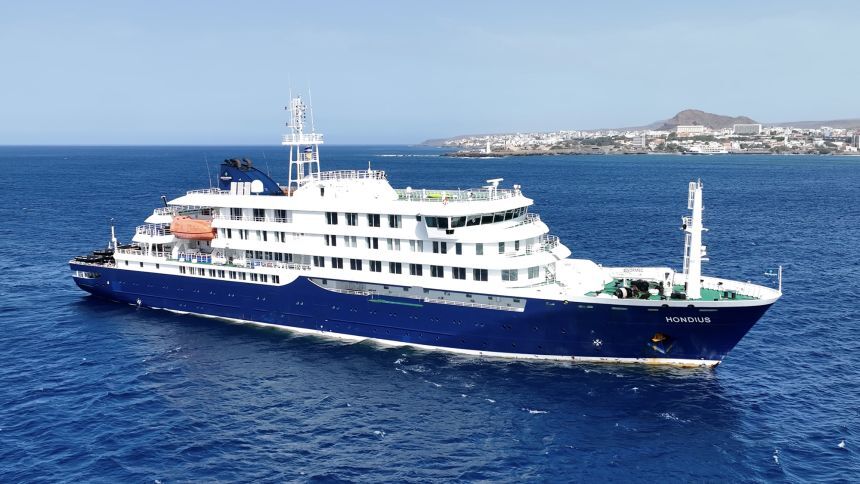
On May 2nd, 2026, word got out that the Hantavirus broke out aboard the cruise ship, MV Hondius. By May 2nd, three people died from the virus, making it a 40% death rate, and all 147 people aboard were at risk of contracting the deadly virus. Although there are only 11 confirmed cases, the outbreak grabbed international attention with concerns over the extreme death rate.
The Hantavirus is seen as a new virus, however it has been around since 1978 and is just now resurfacing. Previous outbreaks have occurred at the Four Corners, in Epuyén, Argentina, and has now made its way onto the MV Hondius. The passengers and crew on the ship are facing an outbreak of the Andes variant, the only strain of Hantavirus to spread between humans. It was assumed to be developed between Argentina and the Canary Islands from rodent droppings and is spreading all over the cruise ship.
Symptoms typically begin with dizziness, fever, headaches, muscle aches, and fatigue. In severe cases, the disease can develop into Hantavirus Pulmonary Syndrome, a condition that affects the lungs and causes breathing difficulty. Because symptoms resemble the flu, doctors can sometimes struggle to correctly diagnose the infection early. Without early diagnosis, the Hantavirus becomes increasingly deadly. This delay in diagnosis can also make outbreaks harder to control, especially in contained environments, like a cruise ship.
As news of the outbreak spread online, countless social media users began comparing the situation to the COVID-19 pandemic. Posts on platforms such as TikTok and Instagram named the Hantavirus as “the next COVID,” fearing that the Hantavirus would lead to another global pandemic. Panic ensued, especially being only five years out of the COVID-19 pandemic where uncertainty and fear thrived. However, health professionals dispute this comparison between the Hantavirus and COVID-19 because of how non-contagious the infection is.
Sophomore student Malia Marvin learned about the Hantavirus on TikTok and claimed that she doesn’t “want to spend another year stuck inside [her] house.” Marvin also mentioned how she “want[s] to have an eventful summer without a pandemic.”
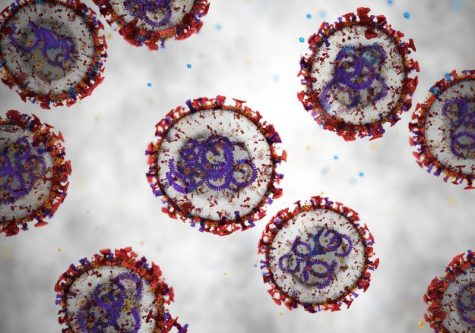
Unlike COVID-19, Hantavirus does not spread easily through air. COVID-19 is highly contagious because it is a respiratory disease and could infect anyone breathing the same air as someone who is infected. Hantavirus, on the other hand, is exponentially harder to transmit, with most strains coming directly from rodent waste. Even with the Andes strain, transmitting the disease to humans is much more difficult than a respiratory virus. Unfortunately for the MV Hondius passengers, the close living conditions likely contributed to the rapid spread, making the outbreak seem like it has the potential to become a global pandemic.
Furthermore, the incident aboard the MV Hondius has also sparked conversation about health safety on cruise ships. When freshman student Makenna Sullivan first heard of the Hantavirus, she thought that “the ship shouldn’t be docked and [the passengers] should all take one for the team.” Since the COVID-19 pandemic, cruise lines have increased their health screening, like taking COVID-19 tests before boarding. However, diseases can still be contracted during the journey, not necessarily before. Now, cruise lines may improve their health monitoring during international travel.
While the Hantavirus outbreak aboard the MV Hondius has provoked concern across the media, health professionals continue to emphasize the unlikeliness of a global pandemic. As of now, the ship was docked in the Canary Islands and passengers were evacuated and then quarantined. Those who contracted the disease are currently getting treated in Madrid, the United Kingdom, and various states in the United States.
Leave a Reply