
Polina Pelipenko | News Editor
May 23, 2026
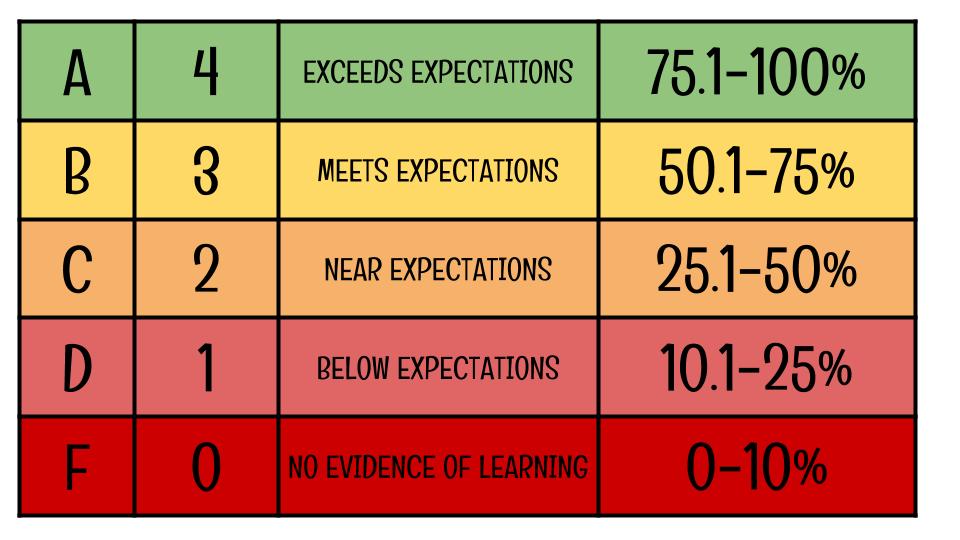
With every upcoming school year, students have heard murmurs of a new grading system emerging. Yet this 2025-2026 school year, the foundation for the new grading system was solidified. The new standards-based grading system is approaching and many AP English, math, and science courses are adopting it within their curriculum.
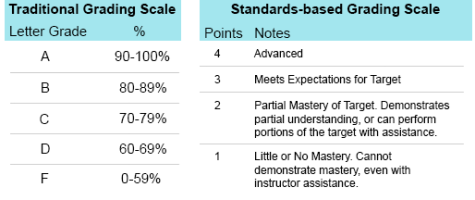
Traditional grading systems usually combine tests, homework, participation, projects, and assignments into one final percentage grade. Standards-based grading takes a different approach. Instead of focusing on accumulating points, it places more emphasis on whether students have mastered specific learning goals and standards. In many versions of the system, students may have opportunities to reassess and demonstrate improvement over time.
Another part of the conversation centers around student motivation and classroom culture. Under a traditional grading system, students often focus on earning points, calculating percentages, and maintaining a specific GPA. Standards-based grading attempts to shift that focus toward understanding concepts and improving over time. Supporters argue that this reduces stress and encourages students to take academic risks without fear that one low score will permanently damage their grade. At the same time, critics question whether reducing the impact of homework and allowing reassessments could lower accountability and make expectations less consistent between classes.
Supporters of the approach argue that grades should reflect understanding rather than perfection. English teacher Mr. Bisch shared this perspective, noting that “students should want to learn instead of be perfect.” The idea behind standards-based grading is that students focus more on building knowledge and less on chasing percentages.
However, not all students feel confident about the possible changes. Some worry that changing a system they have used for years could create unnecessary confusion. Junior Aedan Flesch expressed concerns about the shift, sharing that “it makes everything so new and complicated for no reason.” For students balancing AP classes, sports, jobs, and extracurriculars, adjusting to a different way of measuring academic performance can feel overwhelming.
The discussion also raises a larger question: should grades reflect effort, completion, and consistency, or should they reflect only what students know at the end of learning? While supporters believe standards-based grading creates a fairer representation of student understanding, critics argue that changing the system could make expectations less clear. Yet, as the systems expand for students, some teachers also speak up on the lack of instruction for them.
Teachers, just like everyone on campus, have heard the murmurs of the grading system, but now, with this upcoming school year, they’re being forced to adopt this system. The district has been providing very minimal instruction for the educators on campus. Many issues are open to arise in the next school year if concerns are not addressed.
As conversations continue, one thing remains certain: any grading change affects more than numbers on a report card. It changes the way students approach learning itself. It will be interesting to see how the school will adjust under this grading system change in the 2026-2027 school year.
Leave a Reply