
Audrey Folia | Editor-in-Chief
February 12, 2026
“Conservation is not to be done in isolation,” Ms. Brislen insisted as she explained the purpose of creating an overwintering site at SCHS for Western Monarchs.
Last year, 10 juniors (now seniors) took part in the Global Sustainability Project at SCHS. Sponsored by the Picerne Family Foundation, they participated in both local conservation and research abroad in Costa Rica, where they monitored the leatherback turtle population and primate behavior. While this portion of the trip was emphasized, the often overlooked local conservation was just as important. Occurring at San Clemente State Beach, the students worked with environmental scientist Riley Pratt and State Park Worker Laurel Gifford, planting native nectar species to create an overwintering site for monarch butterflies. The restoration site has since become the 44th most important out of 111 in California.
Ms. Brislen, the teacher leading the Global Sustainability Project, realized the necessity of projects like these for students and saw the opportunity to extend the work already done. As a result, the Blue Oceans Club applied for a sustainability grant from the City of San Clemente. They received 1,000 dollars, and, in turn, San Onofre matched the fund.
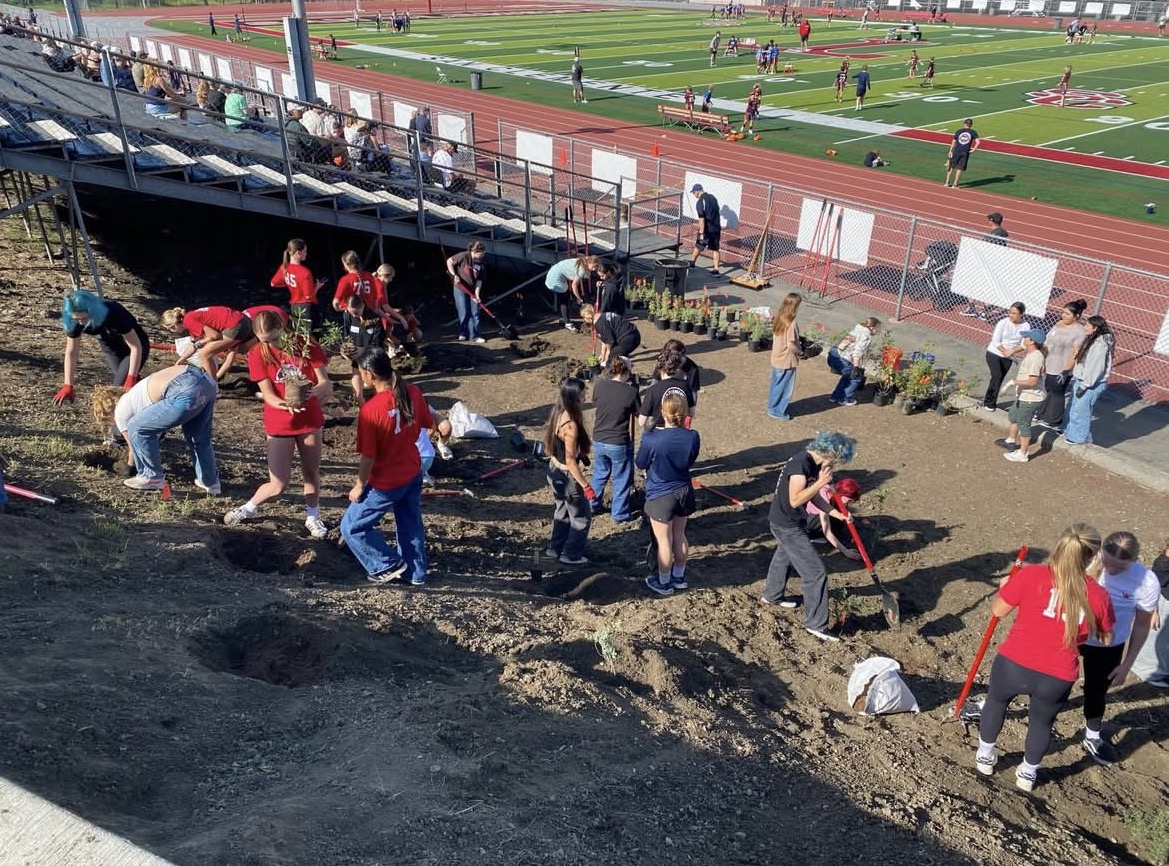
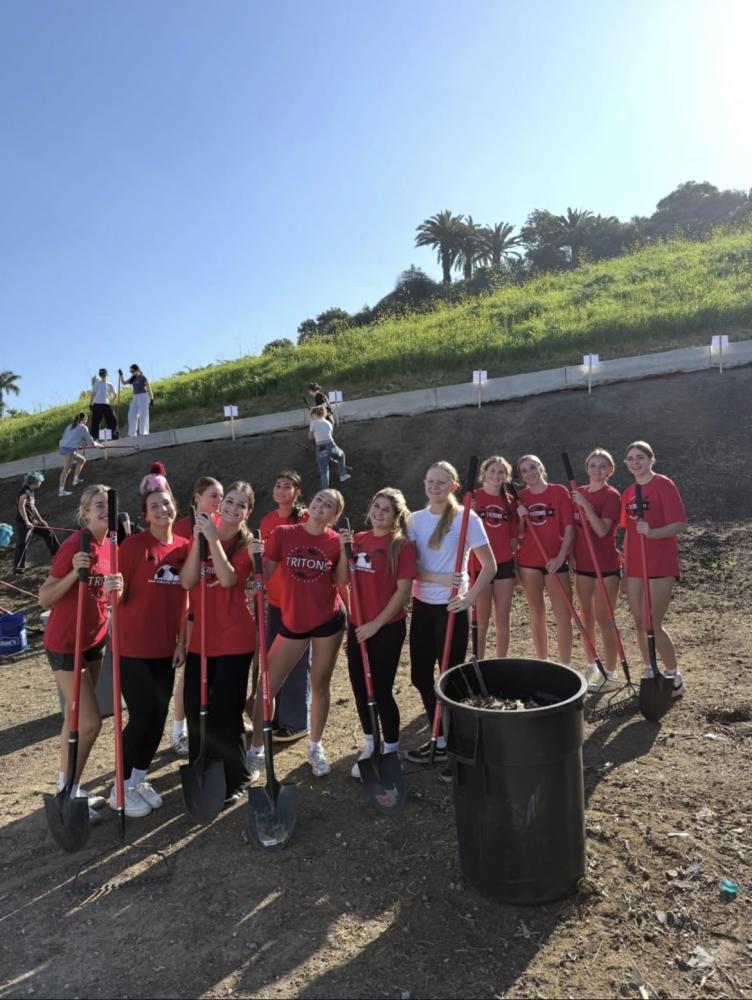
The planting occurred on Saturday, February 8, and was the result of efforts from all parts of the local community: native plants were acquired from Tony Tubbs’ horticulture course at Tesoro High School, sites and irrigation systems were secured by CUSD grounds manager Franky Torres, and equipment was loaned by San Clemente State Beach. Many groups came together to complete the planting, which had to be done in a unique way due to the slope they planted on, including Ms. Finnerty’s AP Bio class, Ms. Brislen’s IB Marine Science class, the Blue Oceans Club, the Conservation Club, and sports teams including varsity girls soccer. Senior girls soccer player and participant of last year’s Global Sustainability Project, Darla Larson, said “it was really fun getting to volunteer with [her] team” and emphasized the importance of “doing something good for [the] community.”
After the planting, they set up stakes around the area, warning people not to trample their hard work. They have also been using social media as a means of advocacy, updating their progress at both the state beach and high school sites under the username “sc_monarchs_gsp.” Senior Clare McNamara, who runs the account, highlighted the importance of media advocacy, claiming that it is “so important to spread the word about the amazing work that SCHS is doing.” She added that, “it not only informs people, but [inspires them] to do the same or something similar in their own community.”
Monarchs have been classified by the IUCN as vulnerable status, and despite increased monitoring by the Xerces Society, less and less are being sighted annually. They are being threatened by many different environmental issues, such as pesticide use, milkweed loss, the degradation of overwintering sites, and more, which can almost all be related to climate change. However, monarchs are incredibly important, considered vital pollinators, and they hold cultural significance for many groups.
The students of SCHS must continue to protect the species and pursue other conservation work, because although we are young, the future of the environment rests on our generation.
Leave a Reply