
Carson Neuhausen | News Editor
March 6, 2026
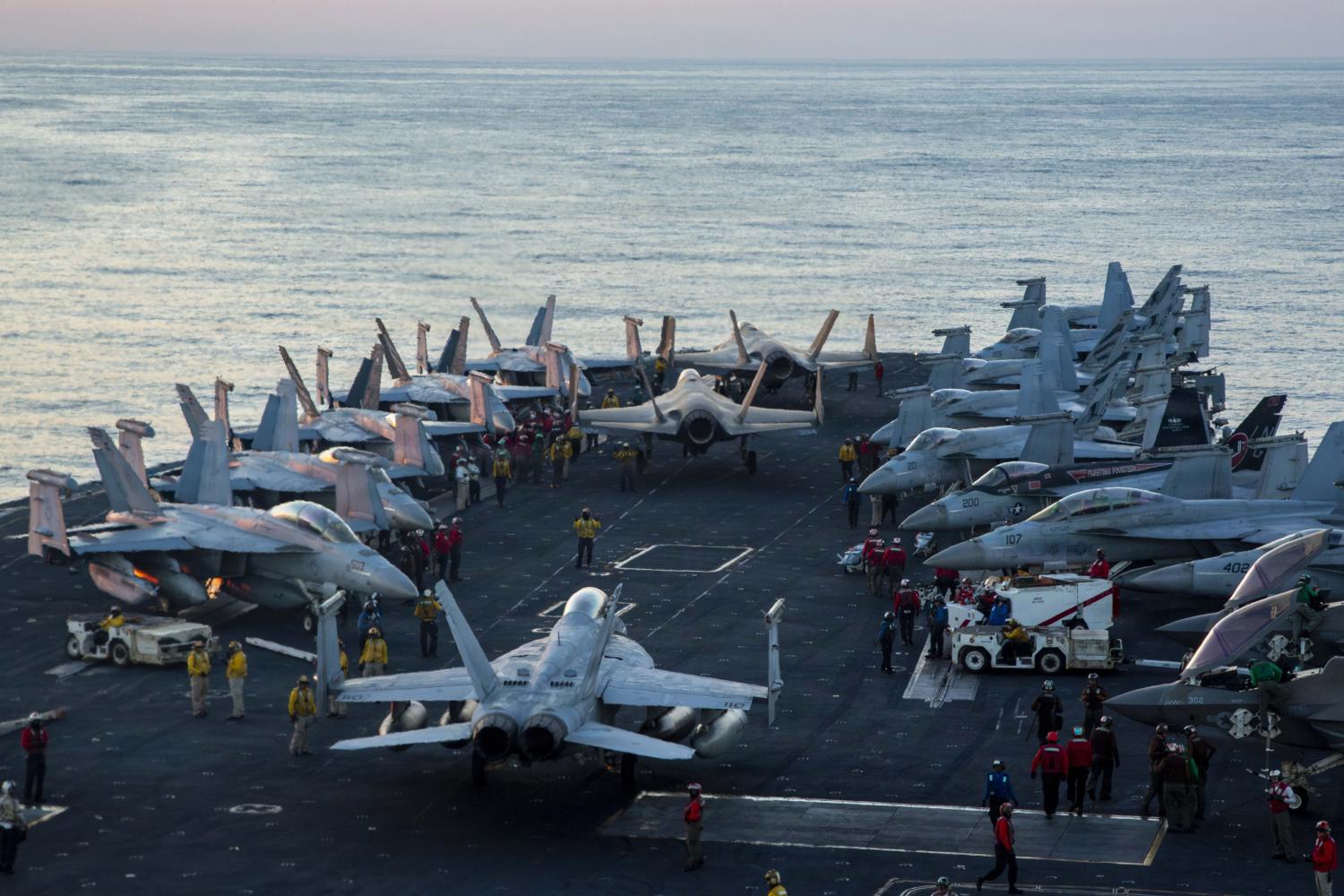
In the early morning hours of Saturday, February 28 (9:45 a.m. IRST/ 1:15 a.m. EST), the United States launched a military operation in conjunction with Israel (titled Operation Epic Fury and Operation Lions Roar, respectively) directed at Iran. A combination of USN Tomahawk Land-Air Missiles, one-way drones, and 200 Israeli fighter jets (F-35I, F-15I, F,16I) were used in the initial “decapitation” strike. Amongst the first wave of targets were the cities of Tehran, Isfahan, Qom, Karaj, and Kermanshah. These cities contained a variety of military and strategic targets, such as radar stations, AA emplacements, government buildings, and naval bases.
In Tehran specifically, over 30 senior Islamic Republic officials were killed in a span of 30 seconds. Amongst these casualties were Supreme Leader Ali Khamenei, Iranian Minister of Defense Aziz Nair, the Commander-in-Chief of the IRGC, and the commanders of the IRGC Navy and Basij militia. The strikes were timed to hit during an emergency leadership meeting taking place in the northern sector of Tehran and, according to US action reports, several CIA operatives had been tracking numerous leadership personnel over the past few months in order to get a proper pattern of life.
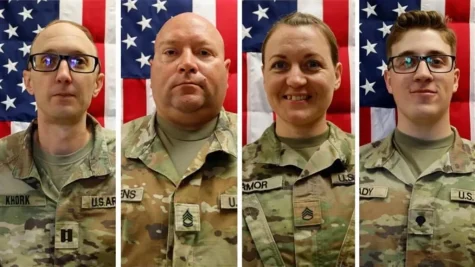
While the killing of a majority of Iran’s leadership is significant, the stated goal of Operation Epic Fury is to cripple Iran’s navy, ballistic missile production, and nuclear capabilities. The elimination of Iran’s top personnel is intended to prevent any effective counterattack by disrupting their command network, a strategy that has so far proven successful. SCHS senior Gavin Audet told me that he felt like this operation was “a lot like Venezuela. It seems so strange that we can just take out a country’s leader in the span of 30 seconds.” Gavin’s assessment is not unwarranted; however, one aspect of this Operation that differs from Operation Absolute Resolve is the casualty count. Comparing the six US deaths (Capt Cody Khork, Sgt 1st Class Noah Tietjens, Sgt 1st Class Nicole Amor, Sgt Declan Coady, and two other service members who have yet to be identified) to the estimated 3,000+ Iranian militant/operative casualties, it is fair to say that this attack is going to plan for the White House.
With that said, this Operation has not come without controversy. During the first wave of strikes, a girls’ school that was positioned next to a targeted Naval base was hit by a missile, resulting in 150+ deaths. It is still unclear whether or not the strike was from a stray American/Israeli projectile or if the IRGC decided to target its own people. This is not a far-fetched theory, as Iran-backed organizations similar to the IRGC (Hezbollah and Hamas) have committed similar horrors against the Palestinian and Yemenis people. Senior Jack Blaney commented on how he thinks “it is most likely the US. I mean, it was right next to one of their targets.” Preliminary reports are leaning towards Blaney’s intuition, as two senior US investigators said that it was most likely the US. There is a definite possibility that evidence will surface that would absolve any American involvement.
President Donald Trump, along with Secretary of War Pete Hegseth, both made it abundantly clear that this Operation could last up to 5 weeks as they aim to completely cripple any Iranian military structure. Neither man ruled out the possibility of a boots-on-the-ground invasion from bases in Kuwait and Iraq.
Leave a Reply